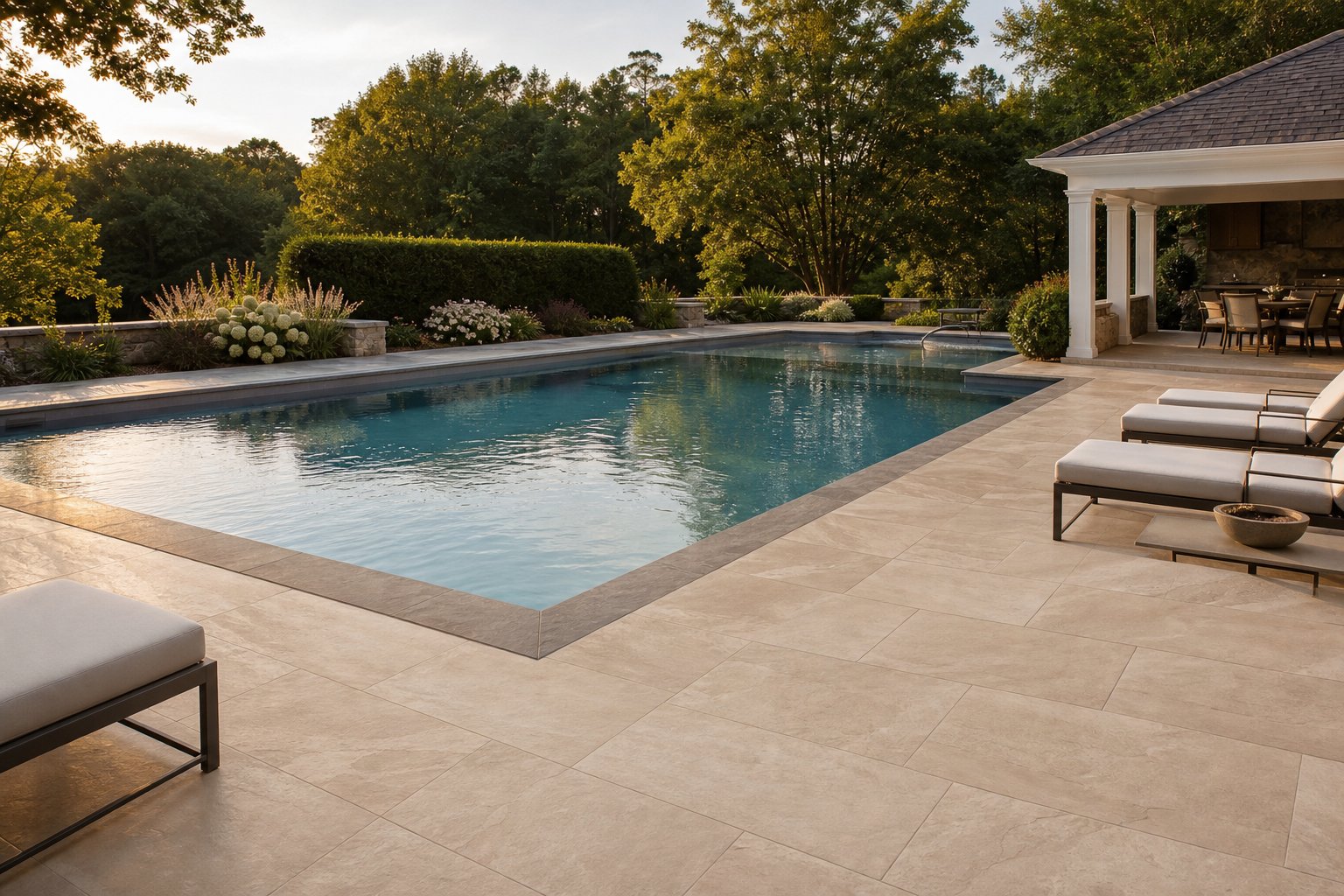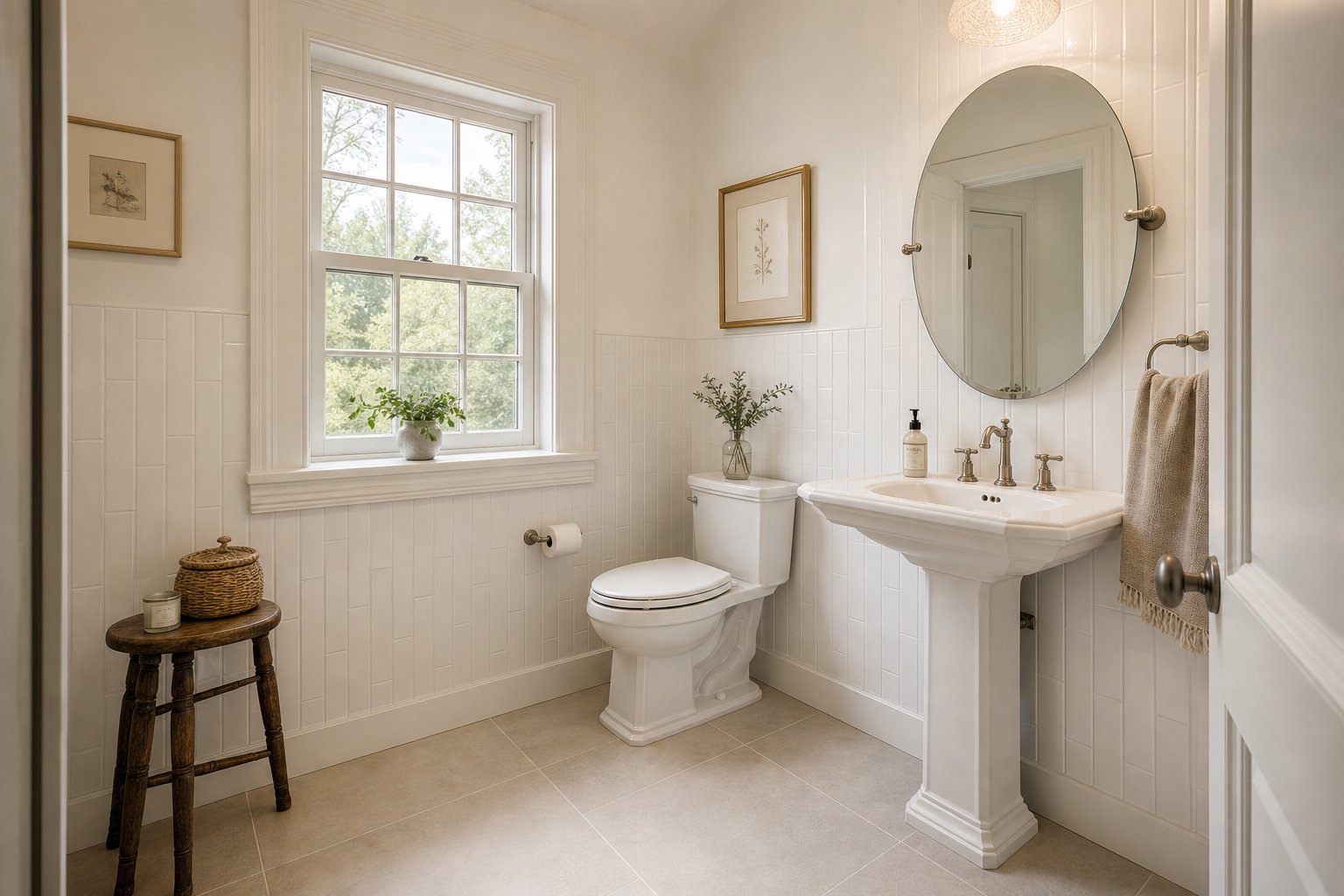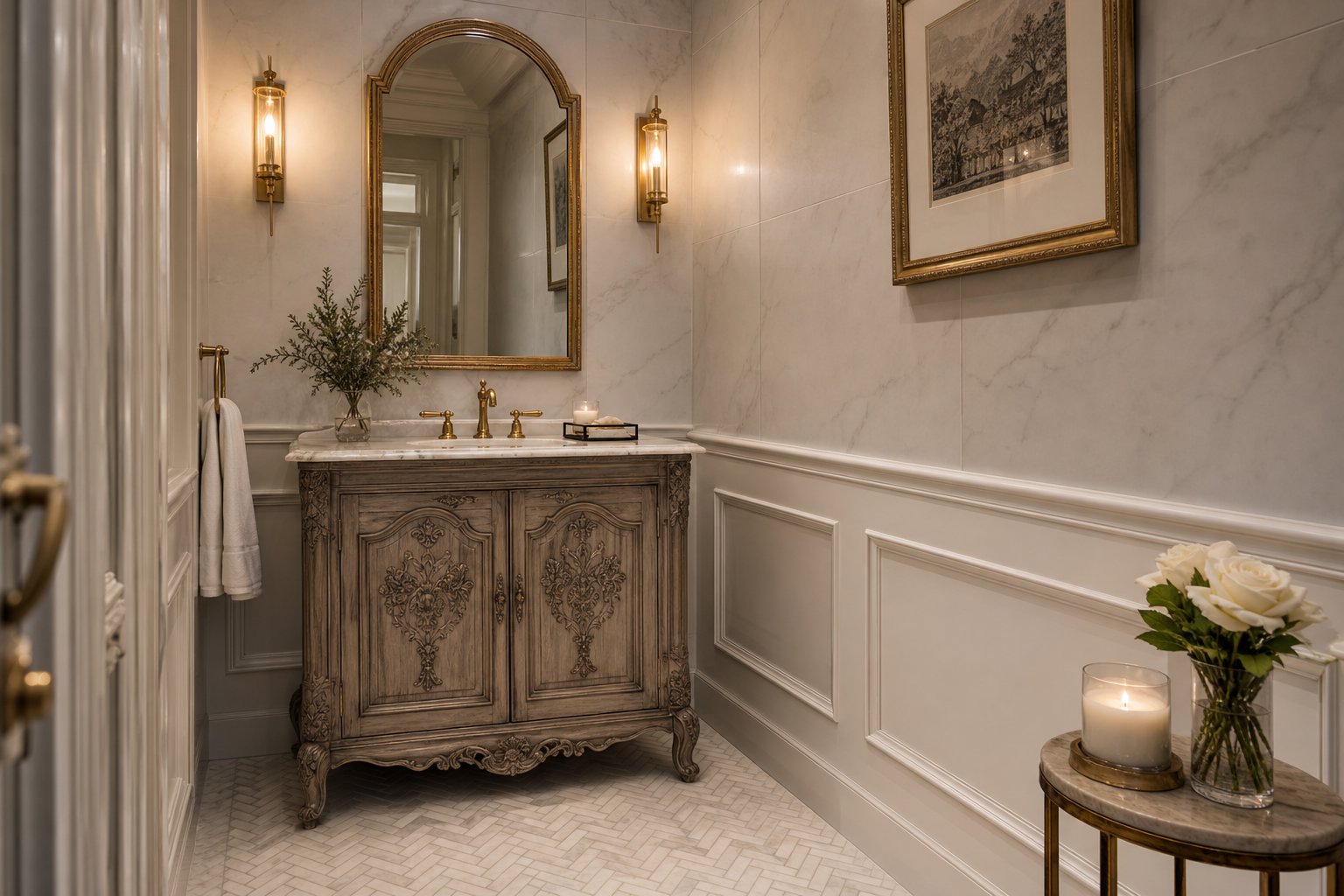
Summer in Chester County means backyard gatherings, weekend swims, and long afternoons spent lounging beside…
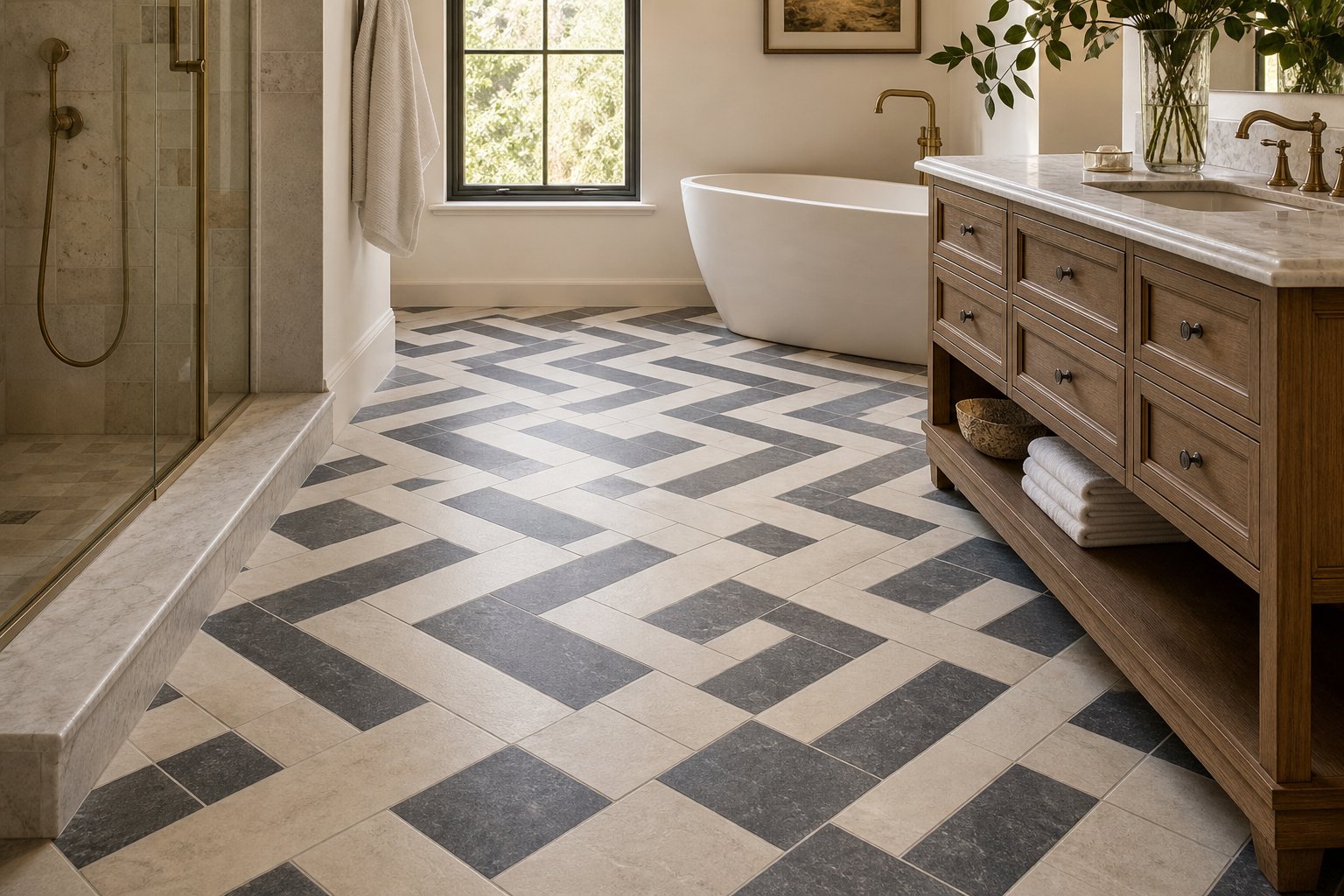
Herringbone & Chevron Tile Patterns: A Chester County Homeowner’s Complete Guide
Herringbone & Chevron Tile Patterns: A Chester County Homeowner’s Complete Guide
6 min read | Tile Design & Guides
Walk into almost any beautifully renovated home in West Chester, Wayne, or Malvern and you’ll notice the same striking detail: an angled tile pattern that draws your eye across the floor or up a backsplash. Herringbone and chevron layouts have surged in popularity across Chester County—and for good reason. They add visual energy to any surface, work with nearly every tile material, and have a timeless quality that keeps them feeling fresh decades after installation.
But these patterns are also among the most technically demanding to install correctly. Get the layout wrong and the “wow factor” becomes an eye-catching mistake. In this guide, our team at Milford Mills Tile walks you through everything you need to know—pattern differences, the best tile materials, room-by-room recommendations, and what to expect from a professional installation.
Quick Summary
- Herringbone uses rectangular tiles set at 90° to each other in a V-shape; chevron uses tiles cut at an angle so the points align perfectly.
- Both patterns work beautifully on floors, backsplashes, shower walls, and accent features.
- Porcelain and natural stone are the most popular tile choices for these layouts in Chester County homes.
- Professional installation is strongly recommended—pattern alignment, subfloor prep, and grout joint consistency are all critical.
- Milford Mills Tile serves West Chester, Wayne, Malvern, Kennett Square, and all of Chester and Delaware Counties.
Herringbone vs. Chevron: What’s the Difference?
The terms are often used interchangeably, but they describe two distinct tile patterns with one key difference: the cut of the tile itself.
Herringbone uses standard rectangular tiles (like a subway tile or a plank-style tile) and sets them at 90° angles to one another. The result looks like a staggered V or a zigzag, with the ends of one tile butting against the side of the next. Because you can use off-the-shelf rectangular tiles without any special cuts to the tile body itself, herringbone tends to be more cost-effective and easier to source.
Chevron, by contrast, requires tiles that are pre-cut or custom-cut at a parallelogram angle—usually 45°—so that the ends of adjacent tiles align perfectly to form a continuous, sharp V-shaped point. This creates a cleaner, more graphic look than herringbone, but it also requires precision-cut tiles and a highly skilled installer to execute properly. The material cost and labor cost are typically higher.
Both patterns create a sense of movement and direction. When installed lengthwise in a hallway or bathroom, they visually elongate the space. Set across the width of a room, they can make a narrow area feel wider. This directional quality is one of the reasons Chester County designers and homeowners love them for both large open-plan spaces and smaller, intimate rooms.
Best Tile Materials for Herringbone & Chevron Layouts
Not every tile format works equally well in an angled pattern. Here are the materials our installers work with most often on Chester County projects:
Porcelain Tile
Porcelain is by far the most versatile choice. It comes in subway formats, plank formats, and even large-format slabs—all of which can be cut and laid in herringbone or chevron. Porcelain is dense, frost-resistant (useful for mudrooms and entryways here in southeastern Pennsylvania), and available in an enormous range of looks, from wood-grain to marble to concrete. A 3×12 or 4×12 porcelain plank in a warm greige or cream tone is one of our most popular recommendations for Chester County bathrooms and kitchen floors.
Natural Stone
Marble, travertine, and limestone herringbone floors have graced Main Line homes for generations—and they remain a premium choice today. Natural stone in an angled pattern carries undeniable authenticity and warmth. The main considerations: stone tiles require proper sealing and more careful maintenance than porcelain, and the cutting precision required for chevron is particularly critical with stone to avoid chipping or cracking. Our team has experience sourcing and installing natural stone herringbone across Chester and Delaware Counties.
Ceramic Tile
Traditional ceramic is a budget-friendly option that works well for backsplash applications. Classic white subway tiles in a herringbone kitchen backsplash remain one of the most timeless design choices—simple, clean, and endlessly adaptable to different cabinet and countertop colors. For floors in wet or high-traffic areas, however, porcelain is generally the better investment due to its lower porosity.
Glass Tile
Glass mosaic tiles in a herringbone pattern make for stunning backsplash and shower wall accents. The reflective quality of glass amplifies light and works beautifully in smaller Chester County bathrooms where you want to maximize brightness. Glass herringbone is typically sold in mesh-mounted sheets, which simplifies installation significantly.
Room-by-Room Applications
Kitchen Backsplash
The kitchen backsplash is arguably the most popular application for herringbone tile in Chester County homes. A herringbone layout in the backsplash zone (between the countertop and upper cabinets) adds texture and visual interest without overwhelming the space. Classic subway-style tile in white, cream, or soft grey is timeless; for a more contemporary look, consider elongated subway tiles (3×9 or 4×16) or a contrasting dark grout. Our backsplash installation team can help you select the right format and proportion for your kitchen layout.
Bathroom Floor
A herringbone or chevron floor is a hallmark of high-quality bathroom design. In master bathrooms, a large-format porcelain plank in herringbone creates a spa-like feel. In smaller guest baths or powder rooms, smaller-format tiles (2×8 or 3×12) in a herringbone pattern can make the floor the design focal point. Both patterns work beautifully with radiant floor heating systems, which are increasingly popular in Chester County’s cold winters—our team installs tile over in-floor heating regularly.
Shower Walls
Floor-to-ceiling herringbone tile in a walk-in shower is a dramatic, luxurious statement. The angled pattern draws the eye upward, making ceilings feel higher. Marble or large-format porcelain in a herringbone layout are particularly popular choices for primary bathroom tile installations across the region. Proper waterproofing—including a Schluter Kerdi membrane or equivalent system—is essential, and our team handles this as a standard part of every shower installation.
Entryways & Mudrooms
Chester County homes—many of them colonial or craftsman-style—often feature tiled entryways and mudrooms that take a beating from mud, salt, and water during Pennsylvania winters. A porcelain herringbone floor here is both practical and beautiful: it’s durable, easy to clean, and sets a striking first impression. We recommend a matte or textured finish for safety in entryways where wet boots are common.
Fireplace Surrounds
A herringbone tile pattern on a fireplace surround is a design detail that homeowners notice immediately. The angled layout creates movement and depth around the firebox, and it pairs especially well with a clean-lined or transitional-style mantel. Natural stone or large-format porcelain in warm earth tones is a natural fit for the stone homes common throughout Chester County.
Accent Walls & Feature Panels
Beyond floors and backsplashes, herringbone tile is increasingly used for accent walls in living rooms, primary bedrooms, and home offices. A single wall in a herringbone tile or porcelain slab creates a textured backdrop that photographs beautifully and adds architectural interest without requiring a full-room renovation.
Installation Challenges: Why Professional Installation Matters
Herringbone and chevron are not beginner-friendly patterns. Here’s what separates a professional installation from a DIY attempt that goes wrong:
Layout planning is critical. Before a single tile is set, the installer must carefully map out the pattern’s starting point. A herringbone or chevron layout that starts even slightly off-center will “drift” toward the edges of the room, creating awkwardly large cuts in the corners or an asymmetrical look. Our team snaps layout lines and dry-fits entire sections before mixing mortar.
Subfloor preparation determines everything. Angled tile patterns are unforgiving of an uneven substrate. Lippage—where adjacent tile edges are at slightly different heights—is far more visible in a herringbone or chevron layout than in a standard horizontal or vertical installation. Our installers assess and level the subfloor before installation begins, a step that less experienced contractors often skip.
Consistent grout joints require precision. Herringbone and chevron require tile spacers to be re-positioned at multiple angles, not just in a simple grid. Consistent joint width throughout the pattern is essential for a clean, professional result.
Cuts at boundaries are complex. Where an angled pattern meets a wall or floor transition, the cut pieces need to be precisely measured and cut. The more angles in the pattern, the more complex the boundary cuts—and the more cuts, the more tile waste. Budget for 10–15% tile overage on these patterns (versus the typical 5–10% for standard layouts).
The good news: a professionally installed herringbone or chevron floor will last decades. It’s one of the most durable and enduring investments you can make in your Chester County home. Learn more about our process on our services page.
Choosing the Right Grout Color
The grout you choose has an outsized impact on the final look of an angled pattern. Your main options:
- Matching grout (same tone as tile): Creates a monolithic, seamless effect where the pattern is subtle and texture-forward. Excellent for large-format tile or natural stone where you want the material itself to be the focus.
- Contrasting grout (darker or lighter): Makes the herringbone or chevron pattern pop dramatically. White tile with charcoal grout is a perennially popular combination for kitchen backsplashes. Be aware that contrasting grout shows dirt more readily and may require more maintenance.
- Tinted epoxy grout: Epoxy grouts are stain-resistant and more durable than cement-based grouts. Worth the premium investment for high-traffic floors and kitchen backsplashes.
According to the Tile Council of North America (TCNA), proper grout joint sizing for most residential tile installations is between 1/16″ and 3/8″ depending on tile format and rectification. For herringbone patterns specifically, we typically recommend joints between 1/16″ and 1/8″ to keep the pattern crisp and clean.
Design Tips from Our Chester County Installers
After years of installing herringbone and chevron throughout Chester County, Delaware County, and the Main Line, here are our team’s top design recommendations:
- Scale matters. Larger tiles (4×12 or wider) create a bold, contemporary herringbone. Smaller tiles (2×4 or 3×6) create a more delicate, traditional look. Consider your room size and ceiling height when choosing tile dimensions.
- Direction of installation matters. Running the herringbone lengthwise along a hallway elongates it; running it across a room can widen a narrow space. Discuss your room’s proportions with your installer before finalizing the layout direction.
- Mix patterns with care. If you’re combining herringbone with straight-laid tile (for example, herringbone in the shower and a grid pattern on the main floor), use a Schluter strip or tile border to create a clean visual transition between the two patterns.
- Don’t forget the ceiling height. Vertical herringbone on a shower wall or feature wall draws the eye up—ideal for rooms with average or low ceilings where you want a sense of height.
What Chester County Homeowners Are Asking
Is herringbone tile more expensive to install?
Yes—typically 15–25% more than a standard grid installation, due to the additional layout planning, precision cuts, and waste. Chevron costs even more due to the need for specially cut tiles. The premium is worth it for the visual impact and long-term value these patterns add to your home.
Can I use herringbone tile in a small bathroom?
Absolutely. In fact, herringbone can make a small bathroom feel larger by creating directional movement. Use smaller-format tiles and a matching or near-matching grout to keep the space feeling open rather than busy.
How long does a herringbone tile installation take?
A typical bathroom floor (50–80 sq ft) takes 1–2 days for installation, plus drying/curing time before grouting. A full bathroom (floor + shower walls) is typically a 3–5 day project. Our team provides a detailed timeline before every project begins.
Do I need to seal herringbone tile?
It depends on the tile material. Porcelain tile generally doesn’t require sealing; natural stone (marble, travertine, limestone) should be sealed both before and after grouting, and resealed every 1–2 years depending on use. Unglazed ceramic should also be sealed. We advise every client on care and maintenance at project completion.
Ready to Install Herringbone or Chevron Tile in Your Chester County Home?
Our team at Milford Mills Tile has installed herringbone and chevron patterns in hundreds of homes across Chester County, Delaware County, Montgomery County, and beyond. We handle everything from subfloor preparation to final grout sealing—no detail overlooked.
Whether you’re planning a kitchen backsplash, a primary bathroom floor, or a full shower renovation, we’d love to walk through your project and share what will work best for your space, budget, and style. Contact us today to schedule your free on-site consultation, or explore our portfolio of completed projects for inspiration.
Milford Mills Tile serves West Chester, Wayne, Malvern, Kennett Square, Downingtown, Exton, Wilmington, and surrounding areas. All installations are performed by our in-house team of experienced tile professionals.
HTMLEOF
Related Posts