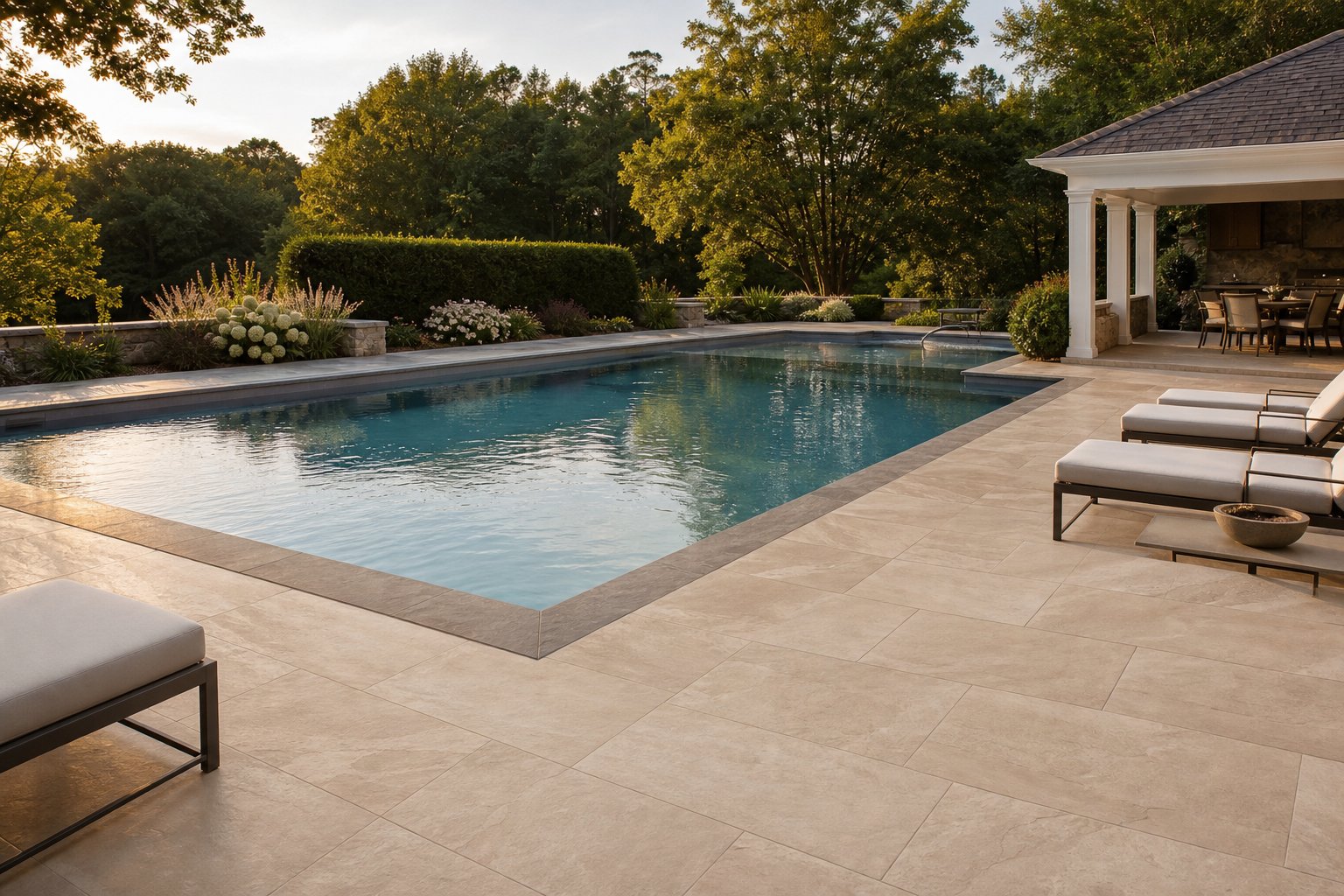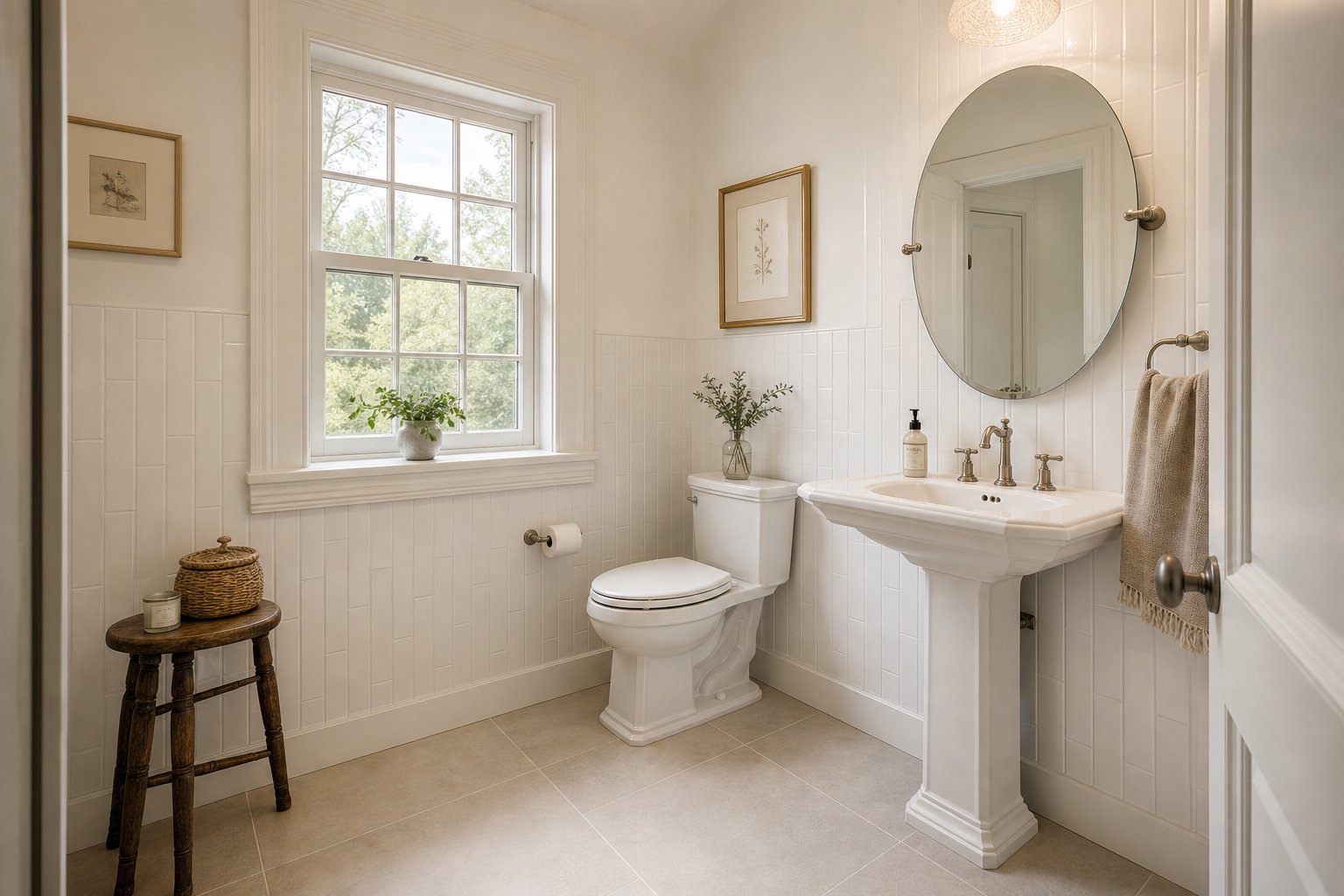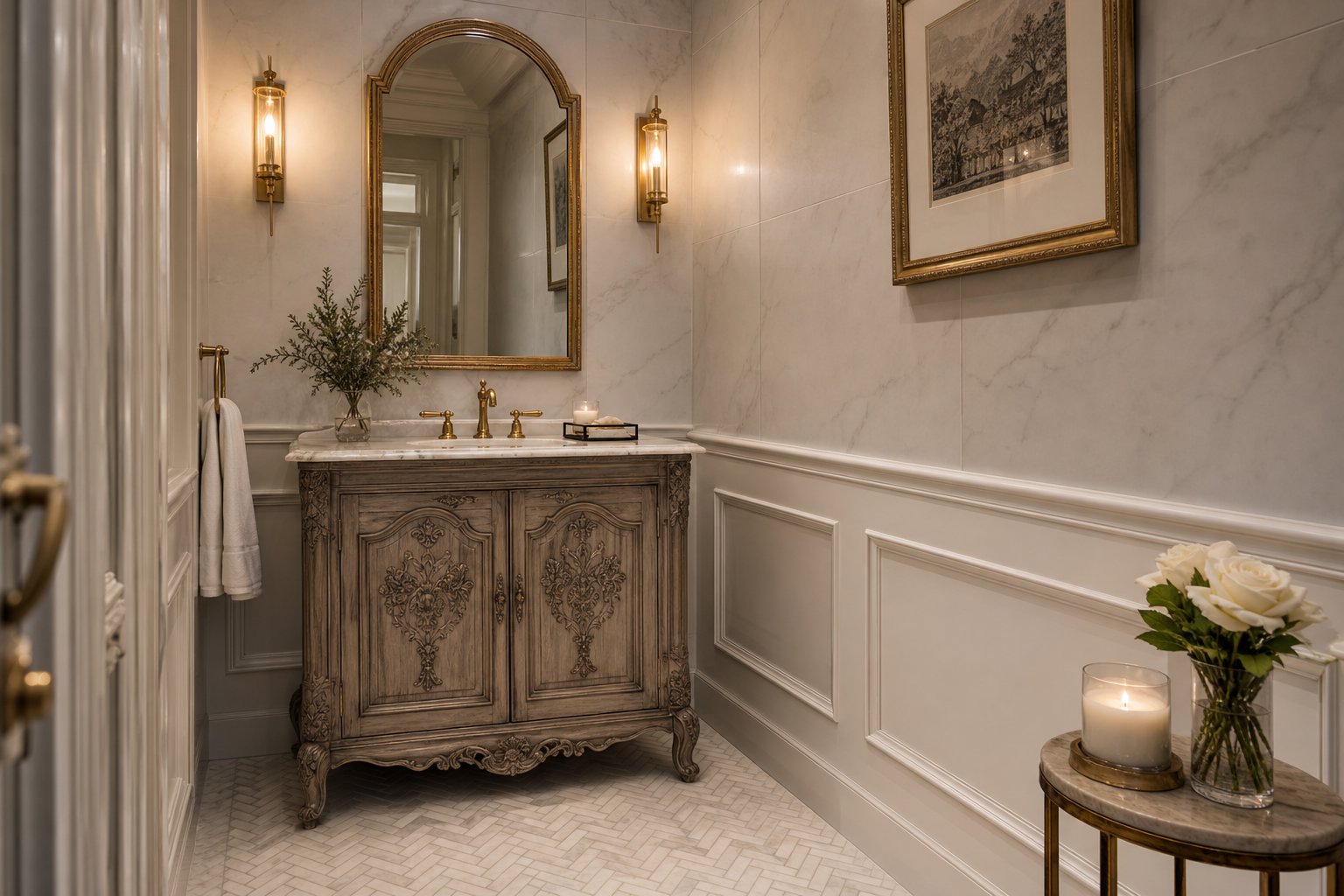
Summer in Chester County means backyard gatherings, weekend swims, and long afternoons spent lounging beside…

The Ultimate Guide to Mixing Tile Materials: Everything Chester County Homeowners Need to Succeed
Mixing different tile materials can transform your Chester County home from ordinary to extraordinary: but only when done correctly. Whether you’re renovating a kitchen in West Chester, updating a bathroom in Media, or designing a stunning entryway in Greenville, understanding how to combine ceramic, porcelain, natural stone, and glass tiles requires both artistic vision and technical expertise.
At Milford Mills Tile, we’ve helped hundreds of homeowners across Delaware County, Montgomery County, and surrounding Pennsylvania communities create breathtaking spaces by masterfully blending tile materials. Here’s everything you need to know to achieve professional results.
Understanding Your Tile Material Options
Before diving into mixing techniques, you need to understand what each material brings to your design palette.
Ceramic tiles offer affordability and versatility, making them perfect base materials for larger areas. They’re ideal for Chester County homeowners working within budget constraints while still wanting quality results.
Porcelain tiles provide superior durability and water resistance. These premium materials work beautifully in high-traffic areas throughout Montgomery County homes, especially in kitchens and bathrooms where moisture is a concern.
Natural stone tiles: including marble, travertine, slate, and granite: add luxury and unique character. Each piece tells its own story, making them perfect statement materials for Delaware County properties seeking that custom, high-end appeal.
Glass tiles introduce light reflection and modern sophistication. They’re particularly effective as accent materials in Pennsylvania homes where natural light needs maximizing during winter months.
The Foundation: Establishing Your Primary Material
Every successful mixed-material project starts with selecting your primary material: the tile that will cover 60-70% of your space. This decision impacts everything from your budget to maintenance requirements.
For kitchen tile installers throughout the region, porcelain typically serves as the ideal primary material because it handles daily wear beautifully while providing a neutral foundation for accent materials.
Your accent materials should complement, not compete with, your primary choice. If you’ve selected a busy natural stone as your primary material, pair it with solid-colored ceramics or glass. Conversely, if your primary material is simple, you can introduce more dramatic accent pieces.
Design Principles That Actually Work
Start with color harmony. The most successful mixed-material projects in Chester County homes follow a cohesive color story. Choose 2-3 complementary colors maximum, ensuring each material contributes to rather than disrupts your overall palette.
Consider texture contrast strategically. Mixing smooth glass with rough natural stone creates visual interest, but balance is crucial. Too much texture variation overwhelms the space, while too little creates boredom.
Scale matters immensely. Large-format porcelain floors pair beautifully with smaller glass mosaics, but avoid using too many different sizes simultaneously. Three different scales maximum keeps your design sophisticated rather than chaotic.
Maintain consistent undertones. Warm-toned materials should stay together, as should cool-toned options. Mixing warm travertine with cool-toned slate rarely produces the elegant results Montgomery County homeowners expect.
Room-by-Room Application Strategies
Kitchens: The Heart of Mixed-Material Design
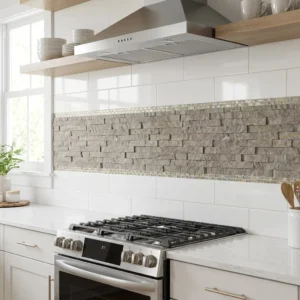
Kitchen backsplashes offer the perfect canvas for material mixing experimentation. Start with neutral subway tiles as your base, then introduce natural stone or glass accents around the range area.
For kitchen tile installers working in Delaware County, we recommend using porcelain for floors and primary wall areas, then incorporating natural stone or glass as decorative elements. This approach provides durability where needed while adding visual impact.
Counter-to-backsplash transitions require careful material selection. If your countertops feature busy patterns, choose simpler backsplash materials. Solid quartz counters allow for more dramatic backsplash material combinations.
Bathrooms: Balancing Luxury and Function
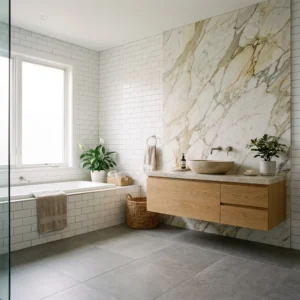
Bathroom environments demand materials that handle moisture while creating spa-like ambiance. Natural stone works beautifully as accent walls, while porcelain handles shower areas and highsplash zones.
Shower designs benefit from material mixing when executed properly. Use larger format tiles for main walls, then introduce smaller mosaics for niches, borders, or accent strips. This creates visual hierarchy while maintaining water-resistance.
Floor-to-wall coordination prevents your bathroom from feeling disjointed. If your floor features natural stone, echo those tones in your wall accents rather than introducing completely different material families.
Professional Installation Considerations
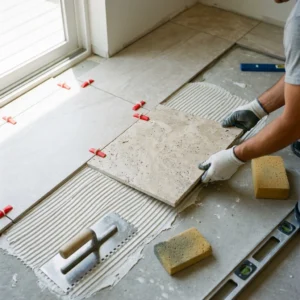
Mixing tile materials isn’t just about design: it requires technical expertise that amateur installers often lack. Different materials expand and contract at different rates, requiring specific adhesives, grout types, and installation techniques.
Substrate preparation varies significantly between materials. Natural stone requires different underlayment considerations than ceramic, while glass tiles demand specific adhesive formulations to prevent show-through issues.
Grout selection becomes crucial when mixing materials. Different materials require different grout types, and color selection can make or break your design. Professional tiling experts understand these nuances and plan accordingly.
Expansion joints and transition strips ensure your mixed-material installation lasts decades rather than years. Milford Mills Tile incorporates these essential elements into every project, protecting your investment while maintaining aesthetic appeal.
Common Mixing Mistakes to Avoid
Over-mixing materials ranks as the most frequent error we see throughout Chester County renovations. More isn’t always better: three materials maximum typically produces the most sophisticated results.
Ignoring maintenance requirements creates long-term problems. Natural stone requires sealing, while glass shows water spots more readily than ceramic. Consider your lifestyle when selecting material combinations.
Poor proportion planning ruins otherwise good material choices. Accent materials should remain accents: typically covering 10-20% of your total area maximum.
Inadequate lighting consideration affects how materials appear throughout the day. What looks perfect under showroom lighting might not work in your Pennsylvania home’s natural light conditions.
Local Considerations for Pennsylvania and Delaware Projects
Climate factors in our region affect material selection and installation timing. Freeze-thaw cycles impact outdoor applications, while humidity variations influence indoor installations.
Historic home considerations throughout Chester County require special attention to substrate conditions and structural limitations. Professional assessment ensures your mixed-material project complements rather than compromises your home’s integrity.
Resale value implications matter for Montgomery County homeowners. Certain material combinations add significant value, while others may limit appeal to future buyers. Local market expertise guides these important decisions.
Working with Professional Tile Experts
Design consultation proves invaluable when planning mixed-material projects. Experienced professionals help you avoid costly mistakes while maximizing your design impact and budget efficiency.
Material sourcing benefits from professional relationships with suppliers. Milford Mills Tile maintains partnerships with premium manufacturers, ensuring access to the best materials at competitive prices throughout Delaware County and surrounding areas.
Installation warranty protection comes only with professional installation. DIY mixing projects often fail at transition points and material interfaces, creating expensive repair situations.
Ready to transform your Chester County home with expertly mixed tile materials? Contact Milford Mills Tile today for your design consultation. Our team of professional tiling experts serves homeowners throughout Chester County, Delaware County, Montgomery County, and Greenville, Delaware, delivering the spotless finishes and premium results your home deserves.
Related Posts